There is an enlightened path to confidence; a path where, if learned correctly, no one can take it away from you. Children with this enlightened sort of confidence do better in school and even seem to want to prove to naysayers that they can and will be successful. They may be slightly cocky, but with good reason. They always produce results that are just pretty, damn good. Did you catch the most important thing? The key phrase is you must learn it correctly.
How do we learn confidence correctly?
Think about it: Anybody can have a spark of confidence if they win a football game. Do you think that confidence will still be there if they lost the next game? What about the game after that? Now apply this analogy to a student a teacher called on to answer math questions in class. He gets the first one right, but then the next two wrong. Do you think he will want to keep answering? Will he raise his hand in the future to answer? If he doesn't have 'enlightened confidence', then most likely, he will be quiet from then on out.
Getting kids to raise their hand or demonstrate in class can be quite the epidemic to some teachers. Getting questions answered in class is a way for any teacher to do a quick assessment on his/her students. How else would you know if it is appropriate to continue the next part of the lesson without a little verbal feedback from your students. A spark of confidence does not necessarily drive students to want to answer questions, it will only drive students to speak when they have to answer questions.
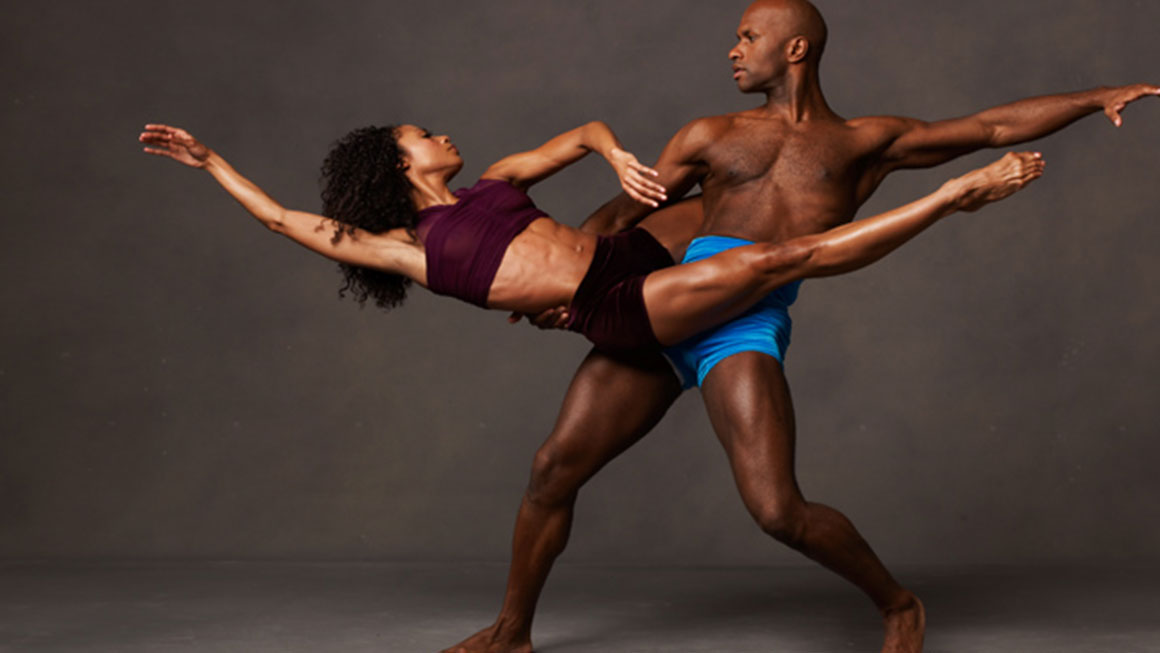
In a dance class, kids are forced into enlightened confidence because there is usually something at stake. In the school setting, their reputation is at stake. No one wants to 'look dumb' dancing in front of their friends. It doesn't matter what type of kid is put in a dance class, they almost always whip out a pretty decent product when they are about to perform in front of others.
 |
| In the book 'Dancers Among Us' by Jordan Matter |
Upping the ante is a great way to permanent confidence, but more so, it is actual visible results. When you create something and see it visually take shape, there is no better feeling in the world. You are reminded of the hard work, practice, and dedication you put in to it. Visible results in other classes usually just look like paper tests, but what if it was a dance routine, play, or music video?
An Israeli psychologist Dan Ariely did a study to see what influenced people to cheat. His studies showed that people were more likely to cheat when the person was somehow a part of their group (i.e went to the same college, play on the same team, etc). Cheating is incredible act of boldness because it is something many people know is against societal rules. Following the lead also seems to be the easiest action for people to do because it doesn't rock the boat. Surely, enlightened confidence can spread like poison ivy after one child shows such boldness in class... you, as a teacher, just have to make sure your projects can bring this out. Watch Dan Ariely Here
History class is an easy way to force kids into enlightened confidence. Upping the ante is simple: make them perform a play where they will act out a historical event in history. In Science, kids can build robots, paint/decorate them, and then have them race against other robots in class. Just the act of building one would be rewarding for the kid because it is tangible proof of understanding and accomplishment.
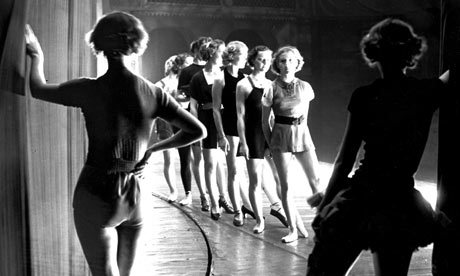 Dance teachers can attest to the fact that students pay attention more, work harder, and ask more questions when it is close t D-Day (also known as Due Day). Students will be more likely to answer questions, even if they may be wrong, because they want to understand the lesson. They will ask more questions with the class as a group instead of pulling you off to the side during individual class work time. This, in return, will help you assess students during the lesson!
Win-Win!